Automotive Accessories & Car Care Sourcing from China
Sourcing car care products, interior accessories, electronics and detailing tools from China.
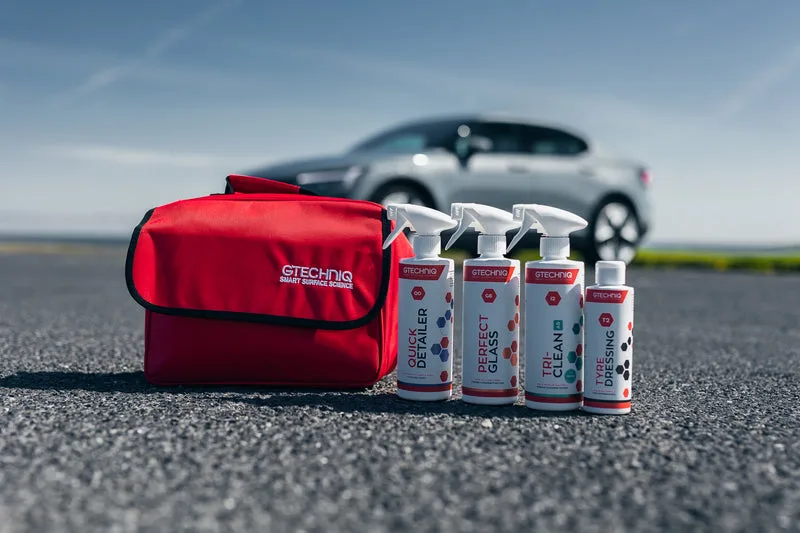
How to source automotive accessories & car care from China
SZsourcing helps car-care and detailing brands, accessory importers, and private-label or retail buyers source from China across three distinct supply chains. Interior and exterior accessories plus car electronics live or die on fitment and compatibility, so the cluster decides the supplier — Taizhou for parts, the Pearl River Delta for electronics. Microfiber towels, brushes and detailing tools are textile- and bristle-driven, while cleaning and care chemicals are formulation, filling capacity and transport-classification driven. We verify suppliers, consolidate multi-category orders, coordinate samples and third-party inspection, and review SDS and shipping class per product so goods clear customs and perform in the field. — SZsourcing Sourcing Team
- Car-care and detailing brands
- Automotive accessory importers
- Private-label and retail buyers
Common Products & Specs
| Product group | Typical products | Specs to confirm | Key considerations |
|---|---|---|---|
| Interior & exterior trim accessories | Floor mats, seat covers, dashboard trims, organizers, sun shades, mud flaps, body accents. | Material (TPE/TPO, PU leather, ABS), make/model/year or chassis code, UV and odor rating. | Fitment-driven: confirm exact compatibility tables and validate against a reference vehicle before tooling. |
| Car electronics & 12V accessories | Dash cams, GPS trackers, OBD readers, USB chargers, ambient lighting, HUD units, backup cameras. | Input voltage (12V/24V), wireless standard, app/OS compatibility, FCC/CE/ROHS scope, firmware path. | Cluster is the PRD. Voltage and connector standards vary by market; specify destination compliance and firmware region. |
| Cleaning & care chemicals | Shampoos, wheel/tire cleaners, glass and interior cleaners, ceramic coatings, dressings, degreasers. | pH range, VOC content, concentrate ratio, bottle size, purpose (pH-neutral vs alkaline), target surface. | Most regulation-sensitive chain. China GB 38508-2025 limits VOC; EU REACH/CLP and US TSCA add layers. Each formula needs its own SDS and transport class. |
| Microfiber towels & cloths | Wash mitts, drying towels, glass cloths, polishing cloths, waffle-weave and twist-loop towels. | GSM, polyester/polyamide blend, weave type, edging (laser vs sewn), linting rate. | A 300 GSM waffle and a 1000 GSM twist-loop are different jobs. Request actual GSM and blend; verify scratch-free on a test panel. |
| Brushes & applicators | Wheel brushes, detailing brushes, boar-hair and synthetic brushes, foam and sponge applicators, daubers. | Bristle material and hardness, handle chemical resistance, ferrule quality, foam density, solvent compatibility. | Bristle type decides safe use: soft synthetic for paint, stiffer for wheels. Confirm bristles resist your cleaner pH. |
| Polishes, compounds & pads | Cutting compounds, finishing polishes, foam and microfiber pads, applicator buffs, machine polishers. | Cut level (heavy/medium/fine), pad density and colour code, abrasiveness, paint-type compatibility. | Match compound cut to pad and paint hardness; an aggressive combo burns clear coat. Request a panel test first. |
| Films, wraps & coatings | PPF, window tint, vinyl wrap, ceramic/graphene coatings, headlight restoration kits. | Film thickness (mil), adhesive type, UV stability, coating durability claim, DIY vs pro install. | Adhesive and UV rating drive performance and warranty risk. Treat “9H” as a claim; ask for third-party hardness and weathering data. |
| Bundled detailing kits | Starter kits, foam-cannon sets, bucket-and-mitt kits, gift sets mixing chemicals, towels and brushes. | Kit composition, carton dimensions, unit weight, mixed-DG status when aerosols or solvents are included. | Kits mix the three chains, so one kit may combine general cargo with dangerous goods. Confirm per-item transport class before quoting freight. |
Manufacturing Regions
| Region / cluster | Specialties | Why it fits | How to verify |
|---|---|---|---|
| Taizhou, Zhejiang (auto parts cluster) | Chassis, brake and steering (Yuhuan), molds and plastic trim (Huangyan), carpets and auto textiles (Tiantai). | 4,000-plus enterprises and a national auto-parts export base within a short drive. Best for mechanical and trim accessories, not chemicals or electronics. | Cross-check via the China (Yuhuan) Auto Parts Fair; SZsourcing audits factories and confirms export licenses. |
| Guangzhou / Pearl River Delta (electronics & chemicals) | Car electronics (infotainment, dash cams, BMS, connectivity) and premium liquid formulations across Guangzhou, Shenzhen, Dongguan, Foshan. | Dense electronics supply plus formulation labs and automated filling; mature export logistics. Suited to regulated, higher-value SKUs over budget consumables. | Confirm electronics certs and per-formula SDS; visit the line and filling workshop during audit. |
| Yiwu & Ningbo, Zhejiang (consumables & private label) | Microfiber towels, applicators, basic cleaners, bundled kits; Ningbo adds port and private-label SME capacity. | Fastest turnaround and lowest MOQs for consumables and private-label kits via a large SME network. | Quality varies by tier; use third-party inspection (e.g. SGS/QIMA) for color-lot and GSM consistency. |
| Jiangsu (Suzhou, Changshu) | Eco-friendly and biodegradable formulations, technical/automotive-grade microfiber. | Growing R&D in low-VOC green chemistry and high-consistency technical textiles; fits EU/Eco-label and automotive-grade programs. | Request formulation dossiers and GRS/OEKO-TEX where claimed; validate with an independent lab. |
| Fujian (Xiamen, Quanzhou) | Vertically integrated microfiber textile production — spinning, weaving, dyeing. | Strong value for towel and cloth SKUs with direct port access to Europe and Southeast Asia; a textile alternative to Zhejiang. | Audit the full textile chain and confirm dye-lot stability; still enforce pre-shipment inspection. |
| Wholesale markets vs export ports (logistics layer) | Venues: Yiwu International Trade Market and Guangzhou Yongfu Road. Gateways: Ningbo-Zhoushan, Shenzhen, Shanghai, Xiamen. | A market is for spot goods and discovery, not a factory. A port is for consolidation and export, not sourcing. Confusing them wastes time and margin. | Treat markets as discovery; trace the underlying manufacturer, then consolidate via the nearest compliant port. |
Supplier Types
| Supplier type | Best for | Advantages | Limits | Ask for |
|---|---|---|---|---|
| Manufacturer / OEM-ODM factory | Private-label, custom tooling, custom formulation or bespoke fitment. | Direct pricing, spec and tooling control, stronger IP position via NDA. | Higher MOQs and longer lead times; one factory rarely covers all three chains. | Business and export license, production photos, anonymized references, capability for your exact spec. |
| Trading company / export agent | Consolidating mixed categories, small MOQs, first-time sourcing. | One PO across chemicals, textiles and electronics; handles export docs and logistics. | Less factory control; margin layered on top of factory price. | Which factory supplies each line, and whether they disclose them at audit stage. |
| Wholesale-market vendor | Spot goods, trial orders, fast mixed-SKU replenishment. | Low minimums, immediate stock, easy sampling at the market. | Limited customization, variable traceability, not a true manufacturer. | The actual factory behind the SKU and whether private labeling is possible later. |
| Chemical formulator / contract manufacturer | Custom SDS-backed formulations, compliant low-VOC products, filling and labeling. | Formulation expertise, in-house SDS, filling lines, regulatory documents. | Chemicals only; you still need separate textile and electronics sources. | Per-formula SDS, VOC test data, filling capacity, bottle/aerosol options. |
| Integrated export-trading manufacturer | Brands wanting one accountable party with owned or closely held lines. | Factory pricing with export handling and accountable QC. | Still category-limited; verify they actually own the lines they claim. | Factory ownership proof, audit access, a clear per-category capability map. |
Buying Checklist
| Requirement | Why it matters | What to send us |
|---|---|---|
| Vehicle fitment data | Accessories and electronics must match make, model, year and chassis code. | Target SKU list with exact fitment and your reference vehicle. |
| Product specs and standards | Drives accurate quoting and prevents wrong-material shipments. | Spec sheet or sample: material, GSM, voltage, pH, weave, cut level. |
| Destination market and compliance scope | Determines certs (FCC/CE/ROHS), SDS language and VOC rules. | Target countries and applicable rules (EU REACH/CLP, US TSCA). |
| Order volume and packaging config | MOQ and tooling depend on forecast and pack size. | Estimated annual volume, bottle/carton size, private-label needs. |
| Labeling, markings and language | Import compliance and hazard communication depend on correct labels. | Label artwork, required warning languages, claim restrictions. |
| Transport mode and per-product DG status | Freight cost and documents change sharply if an item is dangerous goods. | Product list with full ingredients so each item is classified individually. |
Costs, MOQ & Lead Time
We do not publish fixed MOQs, prices or lead times — they depend on your specification, materials and the supplier. The factors below drive the real numbers; we confirm them once we know your requirements.
Raw material volatility
Surfactants, polyester/polyamide fiber and coating resins swing with commodity markets; lock pricing for volatile inputs where possible.
Formulation complexity and compliance
Low-VOC, biodegradable or REACH-aligned formulas cost more in R&D and testing. Illustrative example: a reformulated low-VOC shampoo typically carries a compliance premium over a legacy alkaline one.
MOQ and tooling
Custom molds for trim, custom bottle blow-molds and aerosol tooling raise upfront cost and minimums versus stock packaging.
Packaging and filling
Bottles, pumps, induction seals and aerosol pressurization add cost; aerosols need pressure testing and UN certification.
Cluster and labor
Coastal PRD and Yangtze-Delta suppliers price above inland ones; balance quality tier against location, not price alone.
Inspection and third-party testing
Pre-shipment inspection and lab tests (pH, VOC, absorbency) are recurring costs, higher for regulated chemical SKUs.
Logistics and transport classification
An item classified as dangerous goods adds DG handling, documents and surcharge versus general cargo — assessed per product.
Samples & Quality Control
| Check area | Common issue | How to verify |
|---|---|---|
| Documentation and labels | Missing or wrong SDS, untranslated warnings, exaggerated claims. | Verify a current SDS per formulation, labels match the SDS, lot/batch codes present, claims supportable. |
| Appearance and packaging seal | Cap seal failure, leakage, label misprint, dented cans. | Appearance and seal-integrity check (inverted and thermal-stress samples); confirm print and carton integrity. This is an appearance check, not a certification. |
| Function and performance | Weak foam, poor hydrophobicity, low absorbency, incomplete drying. | Wash/foam test, water-beading test for coatings, GSM/absorbency test for towels against spec. |
| Material and construction | Bristle shedding, towel linting, trim fitment gaps, wrong input voltage. | Confirm blend and weave, fitment on a reference vehicle, 12V/24V input test for electronics. |
| Chemical and lab testing | pH out of range, VOC exceedance, skin-irritation risk. | Third-party lab for pH, VOC (ref. GB 38508-2025 where relevant) and REACH SVHC screening — tested per product, not assumed. |
Packaging & Shipping
- Liquids: specify induction or double-seal caps and leak-proof closures; match bottle material (HDPE vs PET) to the formulation. Illustrative example: alkaline cleaners often need HDPE rather than standard PET.
- Aerosols: use pressure-resistant UN-certified cans; many are flammable and classified dangerous goods, requiring DG markings and segregation from food and general cargo.
- Corrosive or alkaline cleaners: classify per formulation — some are general cargo, others dangerous goods. Do not pre-label the whole shipment as DG or as general; assess each product with its SDS.
- Textiles (towels, brushes): moisture-proof PE bags inside cartons to prevent mildew; microfiber can be compressed into bales to save freight.
- Coatings and films: protect from freezing and heat; keep adhesives and ceramics within stated temperature ranges in storage and transit.
- Mixed kits: separate dangerous-goods items from general cargo within the carton and declare the highest applicable class for the consolidated shipment.
Common Mistakes
| Mistake | How to avoid it |
|---|---|
| Treating all liquids as dangerous goods — or as general cargo. | Classify each formulation from its SDS. A pH-neutral shampoo may move as general cargo while a flammable aerosol cannot; assess per product. |
| Buying accessories without exact fitment data. | Always send make/model/year/chassis code and validate against a reference vehicle before tooling or bulk order. |
| Calling a visual inspection a certification. | Appearance and seal checks confirm condition, not compliance. Compliance needs SDS, labels and independent lab tests where required. |
| Choosing a cluster by price alone. | Yiwu excels at cheap consumables; Guangdong leads premium formulations and electronics. Match cluster strength to SKU, not just cost. |
| Using one supplier for all three supply chains. | Chemicals need a formulator, textiles need a textile mill, electronics need the PRD. Forcing one factory across chains lowers quality. |
| Skipping SDS and label-language for the destination market. | Confirm SDS language and warning labels match your import rules before production, not at the port. |
| Underestimating MOQ for custom bottles and aerosols. | Stock bottles and drums have low MOQs; custom molds and aerosol lines start much higher. Plan tooling against realistic volume. |
How SZsourcing Supports You
- Supplier verification and factory audits across Taizhou, the PRD, Yiwu, Jiangsu and Fujian, with export-license confirmation.
- RFQ consolidation so one program spans chemicals, textiles and electronics without scattered POs.
- Sample coordination and third-party pre-shipment inspection arranged with independent labs such as SGS or QIMA.
- Per-product SDS review and transport classification so freight and documents match the real hazard profile.
- Label, artwork and destination-market compliance guidance (FCC/CE/ROHS, REACH/CLP, TSCA, VOC rules).
- Consolidation and freight-forwarding coordination through the nearest compliant port to your supplier mix.
Automotive Accessories & Car Care — common questions
No. Transport class is decided per formulation from its SDS.
- A pH-neutral shampoo may move as general cargo.
- A flammable aerosol dressing or solvent-based cleaner is usually dangerous goods.
- Some alkaline or corrosive cleaners fall in between and must be assessed individually.
Always classify each product rather than assuming one rule for “all liquids.”
The Pearl River Delta — Guangzhou, Shenzhen, Dongguan — is China’s center for automotive electronics and 12V accessories, with strong rapid-prototyping and export compliance.
The Yangtze Delta is also strong for higher-end electronics; for basic mechanical trim, look to Taizhou.
Send the exact make, model, year and chassis code, and request a fitment sample against a reference vehicle.
- Confirm the supplier keeps a compatibility table.
- Avoid “universal” claims for body-contact parts.
- For electronics, also confirm voltage and firmware region.
A cluster (e.g. Taizhou, the PRD) is where factories make the goods. A wholesale market (Yiwu, Guangzhou Yongfu Road) is for spot goods and discovery, not a factory. An export port (Ningbo, Shenzhen, Shanghai, Xiamen) is for consolidation and shipping.
Trace the real manufacturer from any market.
Specify GSM, polyester/polyamide blend, weave (waffle, twist-loop, plush) and edging.
- 300–400 GSM suits glass and quick detailing.
- 800–1000 GSM twist-loop suits drying.
- Verify scratch-free performance on a test panel, not by hand-feel alone.
At minimum a current SDS per formulation, accurate hazard labels, and market-specific data.
- China: note GB 38508-2025 VOC limits. - EU: REACH/CLP classification and language. - US: TSCA and applicable state rules. Independent lab testing for pH and VOC is recommended before bulk production.
Usually not well. The three chains differ: chemicals need a formulator with filling lines, textiles need a textile mill, electronics need the PRD.
A “one-stop” supplier often subcontracts part of the range; decide which core SKUs must be owned.
MOQs vary by item and packaging.
- Stock bottles and towels: relatively low, often a few hundred to a few thousand units. - Custom trim molds: higher, tied to tooling. - Custom aerosol lines: among the highest due to can and pressure-testing setup. Treat any fixed number a source quotes as indicative until confirmed against your spec.
Lock the spec, then enforce pre-shipment inspection and per-batch lab checks.
- Confirm GSM and color-lot for textiles.
- Confirm pH and VOC for chemicals.
- Use a consistent third-party inspector (e.g. SGS/QIMA) rather than the factory’s self-check.
Sources & References
- Taizhou auto-parts industry map (China Securities Journal)Describes Taizhou’s 6,000-plus auto and parts enterprises, Yuhuan chassis/brake cluster, Huangyan molds and Tiantai textiles, and its national export-base status.https://www.cnstock.com/topicDetail/270070
- 2026 China (Yuhuan) Auto Parts Fair coverageReports 4,000-plus Yuhuan auto-parts enterprises with full local chain from blank to finished part, and the factory-visit sourcing model.http://epaper.cbt.com.cn/ep_m/cbtm/html/2026/09/29/02/02_62.htm
- Greater Bay Area automotive electronics & supply chain (Southern Net)Covers the Guangzhou/Shenzhen/Dongguan automotive-electronics cluster, chip and optical supply, and the national advanced-manufacturing cluster designation.https://news.southcn.com/node_26a2150a75/47d8ab4231.shtml
- Car detailing sourcing clusters overview (industry guide)Summarizes Guangdong (formulations), Zhejiang (consumables/microfiber), Jiangsu (eco-chemistry) and Fujian (microfiber textiles) as the main detailing supply regions.https://www.sourcifychina.com/car-detailing-supplier
- Car cleaning chemical clusters & VOC regulation note (industry guide)Notes PRD and Yangtze-Delta chemical hubs and reference to China’s GB 38508 VOC emission standard affecting formulation compliance.https://www.sourcifychina.com/car-cleaning-chemical-manufacturers
This guide was last reviewed on 7 November 2026.
Source Automotive Accessories & Car Care
Tell us your product, quantity and destination. Attach images or links where you have them.
Can’t find your product? Send us your requirements and we will assess the right approach.